When Journalism Becomes an Act of Survival
There was a time when journalism in Afghanistan was driven by competition, public accountability, and the belief that asking difficult questions could still shape outcomes. That period did not end with a single event or a single announcement. It dissolved gradually—through fear, exhaustion, and the steady shrinking of what could safely be said.
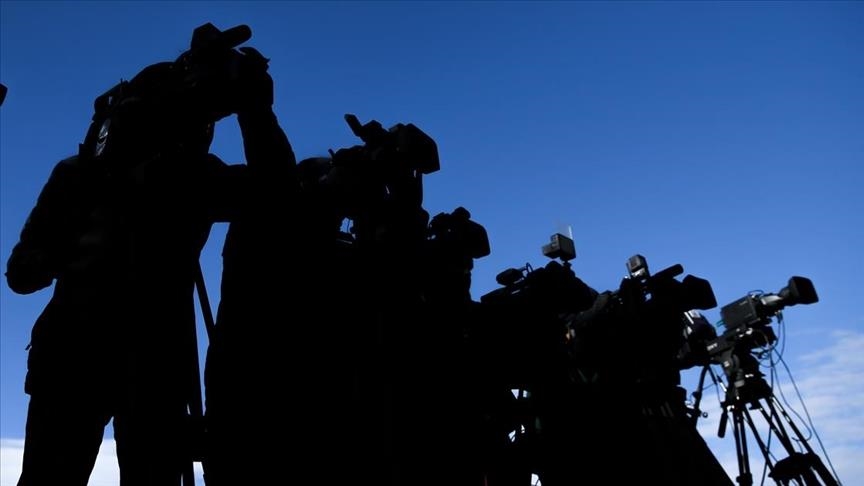
Today, journalism in Afghanistan exists in a condition closer to survival than to profession. Reporters do not simply cover events; they calculate risks, weigh consequences, and anticipate invisible red lines that are never formally defined but strictly enforced. Editorial decisions are no longer guided by news value alone, but by the unspoken question of what might provoke retaliation tomorrow.
The collapse of independent media has not been limited to newsrooms. It has extended to the very structure that once sustained journalism: editors, producers, managers, and the informal networks that allowed reporters to operate with a degree of protection. Pressure is no longer episodic—it is constant, systematic, and personalized. Silence has become policy, and compliance is often mistaken for stability.
Exile, for many journalists, has been framed as a solution. In reality, it is a continuation of uncertainty in another form. Leaving the country does not mean leaving the consequences behind. Displacement brings legal insecurity, financial precarity, and a persistent fear of political bargaining conducted far from public view. For some, the threat is no longer immediate violence, but erasure—being rendered irrelevant, invisible, or expendable.
What makes this moment particularly dangerous is not only repression, but normalization. When fear becomes routine, when censorship is internalized, and when international attention fades, the disappearance of journalism risks becoming permanent. A society without independent storytellers loses more than information; it loses memory, accountability, and the ability to contest power.
This space is not intended to dramatize that reality, nor to reduce it to slogans. It exists to record what is unfolding—quietly, carefully, and truthfully—at a time when speaking plainly has itself become an act of resistance.