Voices from Afar: Why Exile Media Matters
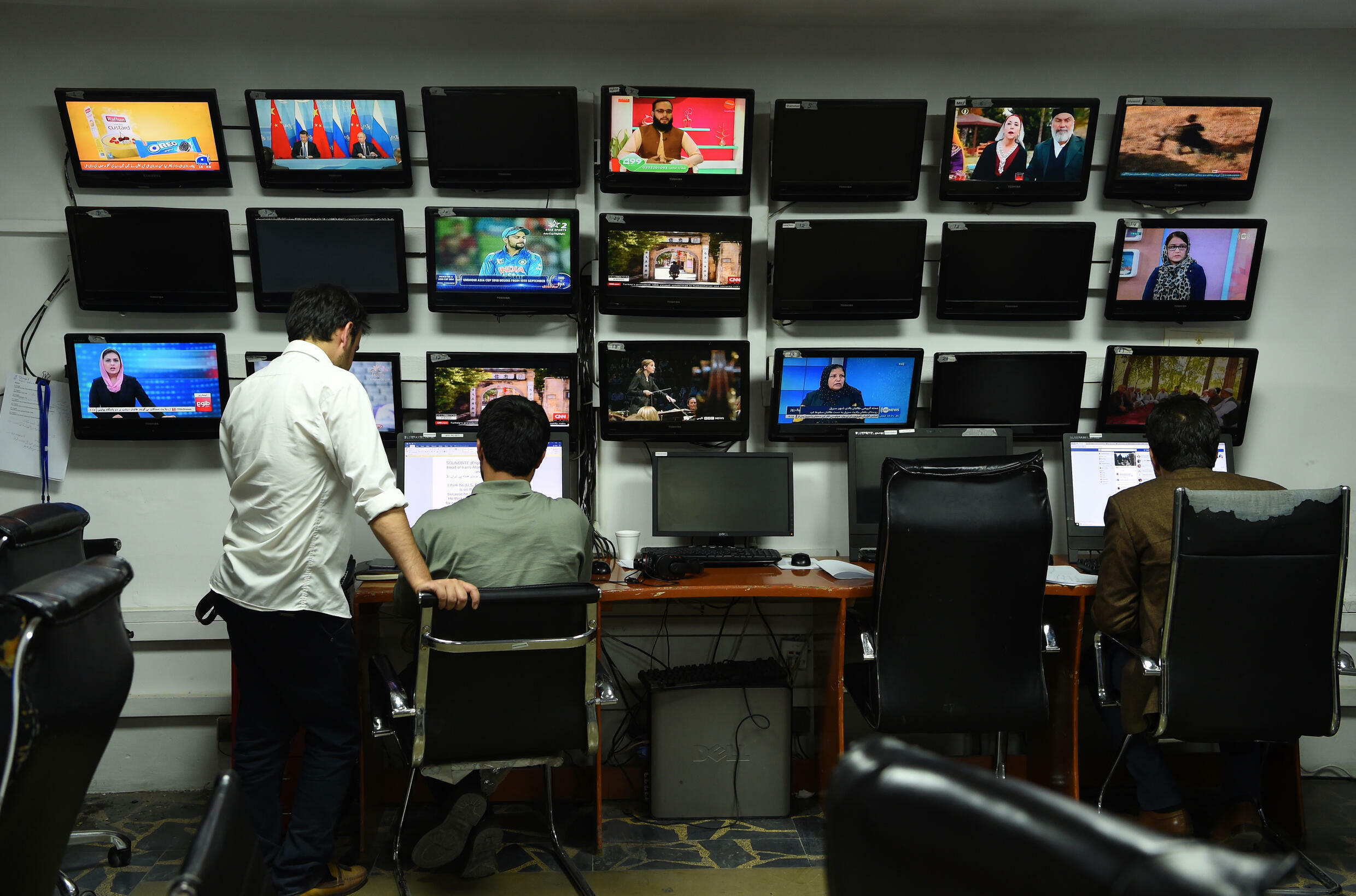
Jürgen Habermas, the eminent German philosopher, defines the “Public Sphere” as a space between the state and civil society where individuals can engage in free, rational discussions about social and political issues, critique power, and influence decision-making. This concept, articulated in the 1960s in his renowned work “The Structural Transformation of the Public Sphere”, forms one of the theoretical foundations of democratic societies and underscores the pivotal role of independent media. Habermas argues that the public sphere can only thrive if media operate free from censorship and interference, providing a platform for the open exchange of ideas and the scrutiny of power. However, he cautions that this space is perpetually at risk in all societies—whether democratic and modern or authoritarian. In modern democracies, the influence of capitalism transforms media from tools of enlightenment into instruments for steering public opinion, while in authoritarian regimes, direct censorship, physical repression, and ideological domination marginalize every independent voice. Habermas traces this concept back to the European Enlightenment, when cafés, discussion circles, and independent press became platforms for public discourse and social critique. His theoretical framework enables the examination of contexts like Afghanistan. During the two decades between the fall of the first Taliban regime and its resurgence in August 2021, independent media, civil society institutions, and freedom of expression in Afghanistan—though fraught with challenges—experienced remarkable growth. Television and radio networks, along with numerous publications, sprang up, fostering a space for public participation and the critique of power. Yet, with the Taliban’s return, these gains rapidly disintegrated. Hundreds of media outlets were shuttered, journalists were detained or forced to flee, and freedom of expression was entirely suppressed. By controlling domestic media, the Taliban turned them into mouthpieces for promoting their ideology and distorting reality, effectively obliterating the public sphere—as Habermas envisions it, a space for the free and rational exchange of ideas.
This repression extended beyond merely closing media outlets; the Taliban imposed sweeping restrictions on women’s participation in media, banned political programming, and enforced stringent content censorship, silencing any dissenting voices. Afghan citizens, particularly in remote areas, now have access only to limited, biased information that reflects solely the Taliban’s official narrative. Civil society activists and journalists have either been muted or fled abroad. Under such conditions, the possibility of a space for open dialogue and power critique has vanished, plunging the public sphere into obscurity.
Amid this void, exile media operating from outside Afghanistan have emerged as a substitute for this lost space. These outlets strive to fill the gap created by internal repression. By delivering independent news and analysis, they not only keep Afghans informed but also provide a platform for discussion and critique that has become impossible within the country. For instance, Deeyar TV, established in exile after the fall of Kabul, offers independent coverage and analysis, reaching over five million people monthly through social media alone and establishing itself as a trusted voice among Afghans. Outlets like Amu and Afghanistan International similarly resist Taliban propaganda with independent reports and diverse narratives, demonstrating that even under total suppression, the public sphere can find new life in exile.
The role of exile media transcends mere reporting. They create a space for open dialogue, enabling activists, citizens, and exiled politicians to analyze Afghanistan’s issues and amplify the voices of the oppressed to the world. By exposing on-the-ground realities, these media prevent the Taliban’s narrative from gaining legitimacy internationally and heighten global pressure on the group. Moreover, they maintain connections between Afghan civil society and international institutions, aiding awareness of the country’s plight. These functions align with Habermas’s vision of the public sphere as a forum for power critique and civic engagement. Yet, these efforts are not without obstacles. Exile media face numerous challenges that threaten their survival and impact. Financially, a lack of funding poses a significant hurdle; this economic fragility and reliance on sustainable support occasionally diminish content quality and halt operations. Technologically, obtaining accurate information from inside Afghanistan is arduous, as the Taliban tightly control communications, and local journalists face constant threats. These journalists, with courage and ingenuity, use encrypted messaging apps to transmit news, though the risk of detection and reprisal remains high. Cyberattacks, likely orchestrated by Taliban supporters, have also become an escalating challenge.
Furthermore, the Taliban pressure journalists’ families, compelling many to fall silent. Such threats complicate the verification of reports for exile media, rendering their ties to domestic sources fragile. Nevertheless, journalists within Afghanistan persist through creative means, such as using pseudonyms. These efforts reflect a resilience and determination that keep the spirit of free expression alive under repression. However, sustaining this resistance requires broader support. The international community can play a decisive role here. Establishing a global media fund with contributions from governments and NGOs could provide stable funding for content production, infrastructure upgrades, and cybersecurity training. Online training programs for journalists, focusing on digital skills, encryption, and secure information gathering, could enhance their capabilities. Diplomatic pressure on the Taliban—such as conditioning any engagement with the group on respecting freedom of expression or imposing sanctions through the United Nations and influential nations—might alleviate censorship to some extent. Yet, current evidence points to the persistence of the Taliban’s hardline policies. By controlling information and distorting reality, they stifle any hope of change. Amid this, exile media must bolster content quality and rebuild public trust to solidify their status as credible sources—a daunting task, as years of repression have bred widespread distrust toward media.
Implementing these strategies in a coordinated manner could transform exile media into a more enduring force against repression, enhancing their capacity to counter Taliban restrictions. Although some global institutions have taken steps—offering security training and legal support—these initiatives demand long-term commitment and greater coordination for lasting impact. The future of Afghanistan’s exile media hinges not only on this international backing but also on the unwavering bravery of local journalists and political shifts within the Taliban’s structure—factors that, alongside access to sustainable funding and increased reach among the populace, will shape their destiny in reviving the public sphere.
Ultimately, Habermas’s theory underscores that the public sphere is vital for democracy, power critique, and civic participation. In Taliban-ruled Afghanistan, this space has entirely collapsed, with domestic media reduced to propaganda tools. Yet, exile media, despite their limitations, serve as a substitute, playing a crucial role in preserving the free flow of information, bolstering civic resistance, and holding the Taliban’s dominance to account. They stand as the last bastion of free expression in the country, and with global support, they can sustain this role more robustly. As long as these voices endure, hope for reviving the public sphere and a freer future in Afghanistan persists. Operating from beyond its borders, exile media remind Afghans that their voices still resonate, and the fight for freedom of expression presses on, even in the harshest conditions.