The Last Days of the Republic
The final days of Afghanistan’s republic were not marked by chaos alone, but by disbelief. Even as warning signs multiplied, the idea that a political order built over two decades could collapse in a matter of days remained difficult to accept. Institutions were still functioning, broadcasts were still going on air, and officials continued to speak the language of continuity. Yet beneath the surface, the foundations were already hollow.
What defined those days was not simply the advance of the Taliban, but the speed at which certainty disappeared. Provinces fell one after another, often without resistance, while official narratives lagged behind reality. Public reassurance replaced honest assessment, and optimism—once a political necessity—became a dangerous illusion. The gap between what was happening and what was being said grew wider by the hour.
For journalists, this period was especially disorienting. Newsrooms became spaces of constant recalculation. Every development raised the same unspoken question: was this still a story about pressure, or the beginning of the end? Interviews that once felt routine suddenly carried historical weight. Statements were no longer just political positions; they were signals, admissions, or warnings—sometimes unintended, sometimes revealing more than they meant to.
The most striking feature of the republic’s final days was how quickly confidence evaporated once it cracked. The belief in a functioning security apparatus, in international guarantees, and in the resilience of state institutions collapsed almost simultaneously. What followed was not merely military defeat, but institutional abandonment. Power did not transfer; it dissolved.
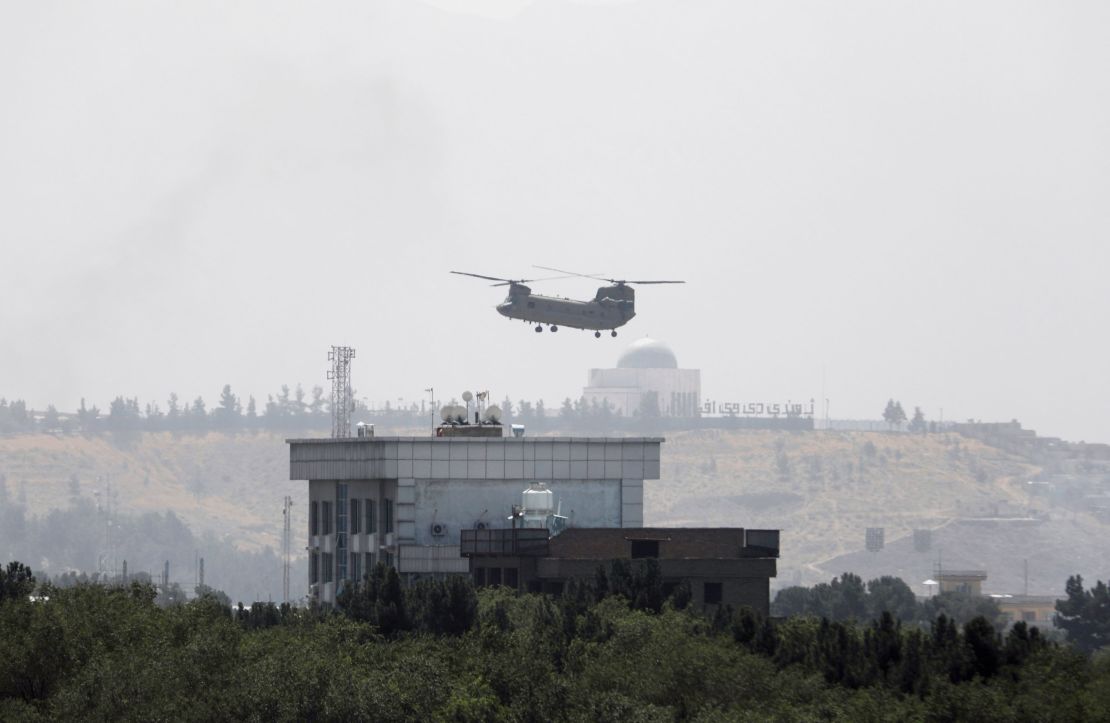
August 15 did not arrive as a surprise in isolation—it arrived as a confirmation. By then, the sense that Kabul would fall was already present among those closely watching the dynamics on the ground. When it happened, it felt less like a turning point than the conclusion of a process that had quietly reached its end.
In the aftermath, the language of politics shifted overnight. A republic that had defined itself through elections, debate, and pluralism was reduced to a brief historical interlude. For many who had lived and worked within it, the loss was not only political, but personal. Careers, identities, and futures tied to that system vanished with it.
Looking back, the last days of the republic were not just about failure. They were about the cost of denial, the dangers of delayed truth, and the fragility of institutions that appear solid until the moment they are tested. They serve as a reminder that political systems do not always fall with a dramatic final act—sometimes they fade quietly, until there is nothing left to defend.