Carrying the News Without a Homeland
I did not begin my career with the intention of becoming a journalist in exile. Like many young reporters in conflict-affected societies, I entered journalism with a simple belief: that asking difficult questions and giving voice to the public could contribute to change.
My professional journey started in local radio and television newsrooms in Kabul, where journalism was not merely a profession but a daily test of courage, ethics, and responsibility. Early roles in radio operations and news production taught me discipline, editorial rigor, and the importance of credibility. These formative years shaped my understanding that journalism, when practiced seriously, is a public trust rather than a personal platform.
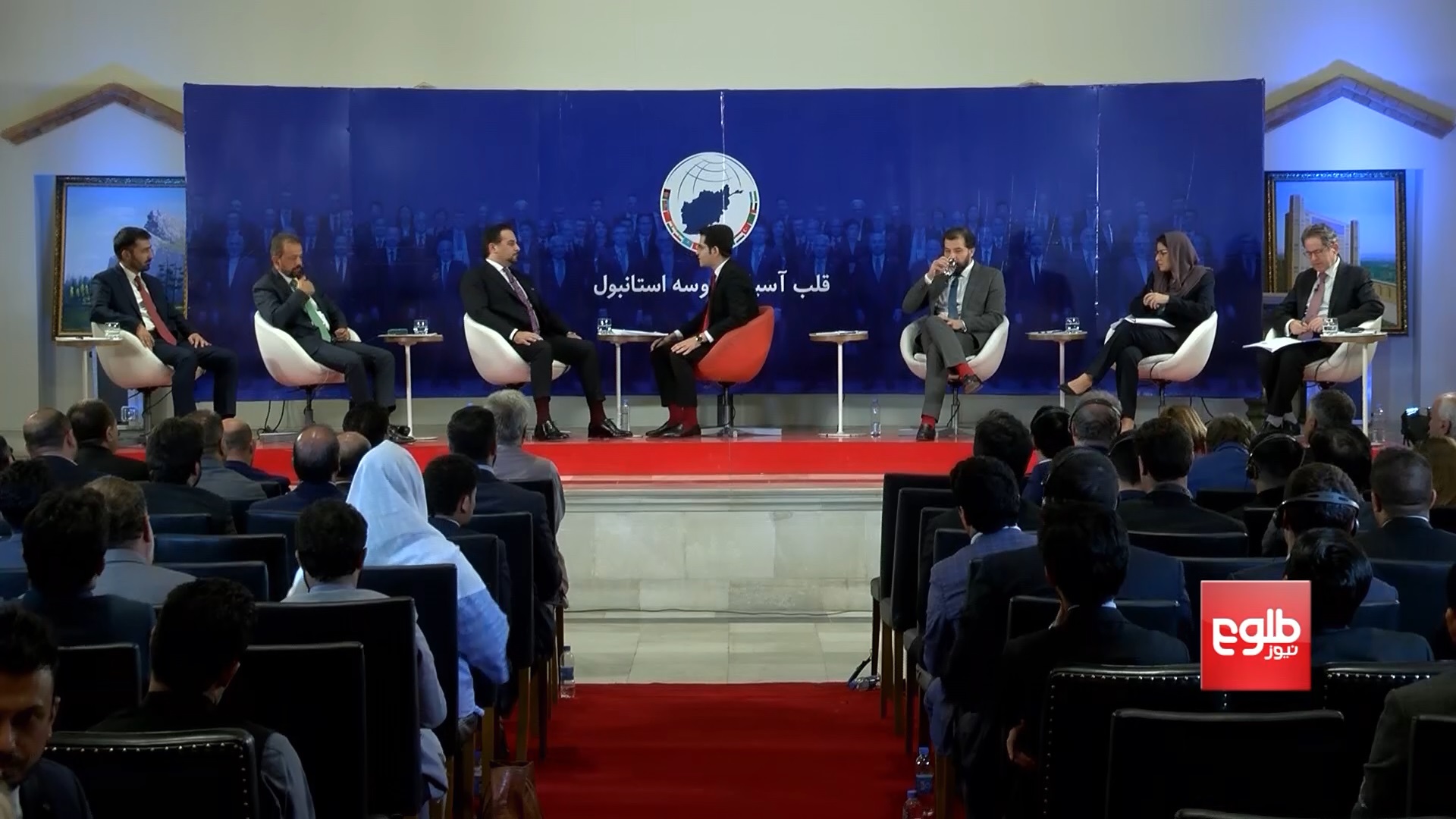
As Afghanistan’s political landscape grew more complex, my work evolved from reporting headlines to moderating national political debates and conducting high-level interviews. Appearing on major television networks, I had the responsibility of questioning ministers, diplomats, and political leaders in live broadcasts watched by millions. These were not performances; they were moments where clarity, balance, and preparation mattered deeply. One imprecise question could distort public understanding, while one courageous question could illuminate the truth.
Alongside broadcasting, I pursued academic training in international relations and diplomacy. This combination of theory and practice strengthened my analytical approach. Journalism, I learned, is not just about what happens, but why it happens—and how power operates beneath the surface.
However, journalism in fragile democracies carries a cost. As political pressure intensified and media freedom narrowed, professional risks became personal. The collapse of Afghanistan’s media environment forced many journalists into an impossible choice: silence, compromise, or exile. I chose exile—not as an escape, but as a continuation of responsibility.
Leaving one’s country does not end one’s mission. In exile, journalism becomes more complex. You lose proximity, but gain perspective. You lose physical access, but gain moral urgency. From abroad, I continued anchoring news, moderating political debates, and engaging international audiences on Afghan affairs. Reporting from exile required rebuilding credibility in new environments while remaining accountable to audiences back home.
The most difficult part of exile journalism is invisibility. You must fight to remain relevant while disconnected from the geography that once defined your reporting. Yet exile also offers a new form of freedom—the ability to speak without fear of immediate reprisal.
This belief led me to establish independent media initiatives in exile. Founding and leading a media outlet outside my country was not simply an organizational challenge; it was an ethical commitment. It meant creating a platform that preserves journalistic standards, resists propaganda, and amplifies voices silenced inside the country. Editorial independence, transparency, and professionalism became non-negotiable principles.
Today, my work stands at the intersection of journalism, civil society, and public affairs. I no longer see journalism as confined to studios or borders. It is a transnational responsibility. A journalist in exile does not stop being a journalist; he becomes a bridge—between societies, between truths, and between past and future.
Looking back, the path from a local newsroom to media leadership in exile was neither planned nor easy. It was shaped by necessity, resilience, and belief in the enduring value of free media. I did not choose exile, but I chose not to disappear.
Journalism is ultimately about presence. When truth is pushed out of the country, it must find a home elsewhere. My journey is proof that while borders can silence institutions, they cannot silence purpose.